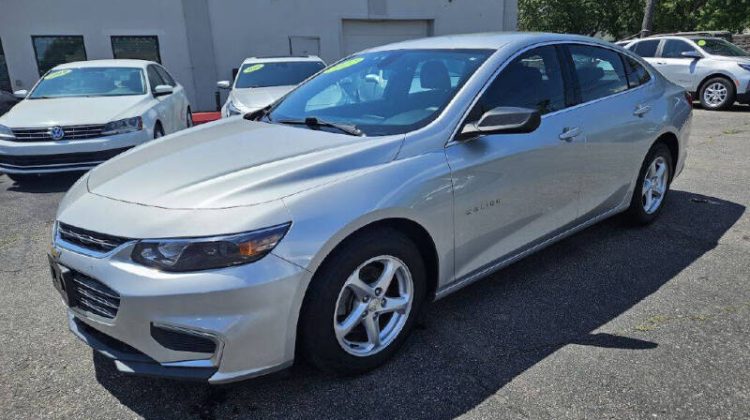
How to Spot a Quality Used Car: A Buyer’s Guide
Buying a used car can be one of the smartest financial decisions you make — if you know what to look for. A quality pre-owned vehicle can deliver great value, reliability, and performance at a fraction of the cost of a new one. But with so many options out there, how can you be sure you’re choosing the right one?
Here’s a practical guide to help you spot a quality used car and drive away with confidence.
1. Start with Research
Before visiting any dealership or seller, do your homework. Research the type of car that suits your needs, including:
-
Brand reputation for durability
-
Fuel economy
-
Maintenance costs
-
Resale value
Websites like Kelley Blue Book, Edmunds, or local platforms can give insights on model reviews, common issues, and average market prices.
2. Check the Vehicle History Report
Always ask for a vehicle history report from reputable services like Carfax or AutoCheck. This report includes essential details such as:
-
Number of previous owners
-
Accident history
-
Maintenance records
-
Title issues (e.g., salvage, flood damage)
At IrmelinCars, we provide verified vehicle history reports for all listed cars to ensure transparency.
3. Inspect the Exterior and Interior Thoroughly
Exterior checklist:
-
Look for scratches, dents, or rust
-
Ensure body panels align correctly (misalignment could mean prior accident)
-
Check that all lights and mirrors are intact
Interior checklist:
-
Examine seat condition, dashboard, and flooring for excessive wear
-
Test all electronics: windows, locks, radio, AC, etc.
-
Watch out for any musty odors or mold (a sign of water damage)
4. Check the Tires and Suspension
Tires can tell you a lot about the car’s condition:
-
Uneven wear may indicate alignment or suspension issues
-
Deep cracks or bald spots are red flags
To test the suspension, push down on each corner of the car — it should bounce once or twice and stop. Too much bounce could mean worn shocks or struts.
5. Examine the Engine and Under the Hood
Open the hood and look for:
-
Leaks, corrosion, or cracked hoses
-
Clean oil (not thick or dirty)
-
Proper fluid levels (oil, brake, transmission, coolant)
A dirty engine isn’t necessarily a bad sign, but excessive grime could signal neglect.
6. Take It for a Test Drive
This is one of the most important steps. During your test drive, pay attention to:
-
How the car accelerates and brakes
-
Any unusual noises from the engine or suspension
-
Smoothness of the steering and gear shifts
-
Dashboard warning lights
Try driving at various speeds and conditions (city streets and highways) to get a real feel.
7. Ask for a Pre-Purchase Inspection
Even if everything looks and feels right, it’s worth investing in a pre-purchase inspection by a trusted mechanic. They can spot hidden issues that could cost you later.
8. Buy from a Trusted Source
Purchasing from a trusted dealership or verified online platform significantly reduces risk. Look for dealers that offer:
-
Verified history reports
-
Return or exchange policies
-
Warranty options
-
Good customer reviews
At IrmelinCars, all our used cars are carefully vetted for quality, backed by inspection, and come from reliable sources.
Final Thoughts
A quality used car should give you peace of mind, not headaches. By following this guide — doing your research, inspecting thoroughly, test driving, and buying from a reputable source — you can drive away knowing you made a smart, safe choice.

Leave a Reply